
Grandparents usually receive the photographs that are easiest to recognize as important. The birthday candles. The first day of school. The family holiday. The picture where everyone looked at the camera at the same time.
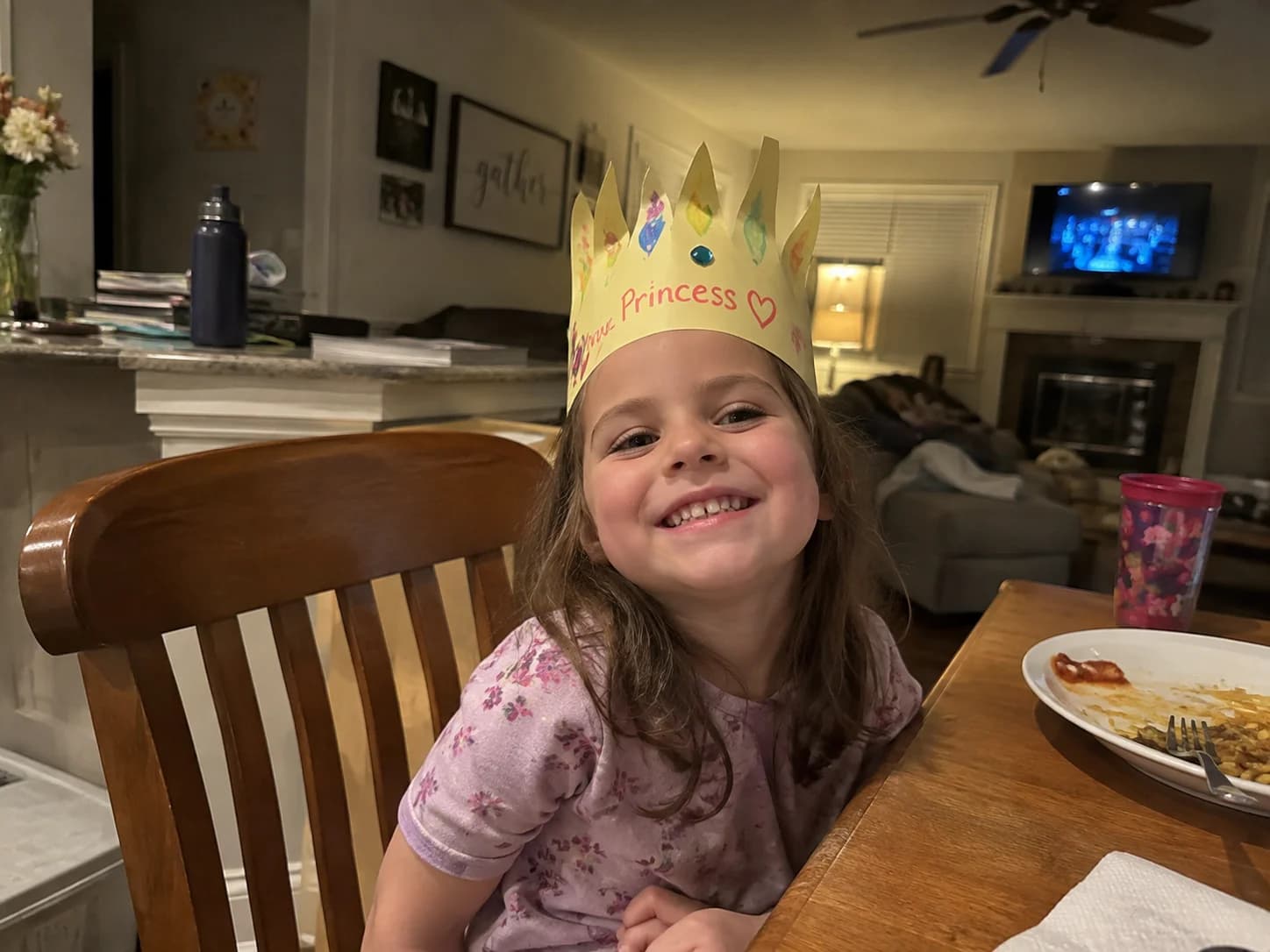
Those photographs matter. But they leave out much of what makes a child recognizable right now. They don’t show the cardboard project taking over the kitchen table, the book that has to be read every night, or the paper crown that stayed on through dinner.
These moments may not feel important enough to share. But they often tell grandparents far more about a child than another carefully posed photograph.
Ordinary photos show a child’s personality
A school portrait shows what a child looked like that year. A quick photograph after school might show the jacket they refuse to take off, the toy they bring everywhere, or the project they haven’t stopped talking about.
Think about the pictures on your phone from the past week. Which ones show what your children are interested in right now? They may not be the best-looking pictures. The kitchen might be messy. Someone might have moved just as you pressed the button. But those details are part of the story.
For grandparents who are not present for the regular routine, those details supply context that a milestone photograph cannot.
Visits leave many of the small stories out
When grandparents visit, several weeks of family life are compressed into a few hours. Everyone wants to catch up. The children want to play. Before you know it, the visit is over.
Video calls help, but children don’t always explain their lives on command.
Ask what happened at school, and the answer might be “nothing.” Ask about the drawing on the wall, and you may discover an entire story about a classroom project, a best friend, and why the sun had to be colored green.
That is not a failure of the visit or the call. The small stories are there. They simply don’t always appear during the call.
One sentence can change what a photograph means
Imagine a picture of a child wearing a paper crown.
The person sharing it could add: “She made this for the school play and wore it through dinner. It went straight back on the next morning.”
Now Grandma knows why the picture was taken. She has learned something about her granddaughter’s week, her personality, and the things that currently make her happy.
The explanation can be that simple. A name, a place, or one sentence about what happened will often carry the whole story.
A child’s personality often appears in the photos nobody planned to take.
A practical way to do it
The Family Press puts those everyday moments into a printed magazine
The Family Press is a monthly magazine made from your family’s own photos and short updates.
You and the relatives you invite add photos, collages, and captions from your iPhones as life happens. A parent might share the paper crown. An aunt might add Sunday lunch. An older child with an iPhone can contribute something from their own week.
Each issue can include up to 30 posts. That gives the family room to share different parts of the month while keeping the magazine manageable to fill.
The finished magazine arrives in their mailbox
The Family Press arranges the family’s contributions into a professionally printed magazine and mails it directly to the grandparents at their United States address. Printing and U.S. postage are included.
Grandparents receive the magazine ready to read. The contributors use the iPhone app to create it, while the grandparents simply open the envelope.
Over time, the issues can capture the changing interests and everyday stories that rarely appear in a traditional family album.